Birdsong, Biodiversity, and the Future of Smart Sustainability – At The Digital Line (TDL), we track how technological innovation transforms industries. The recent partnership between Wyke Farms and Chirrup.ai—bringing artificial intelligence and bioacoustics into agriculture—offers an important lesson in how businesses can use digital technologies not only to solve sector-specific challenges, but also to create scalable, cross-industry impact.
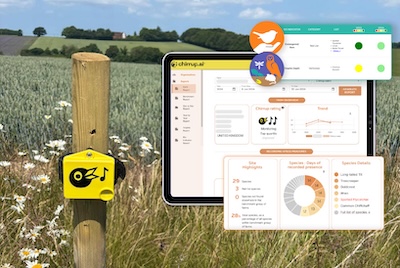
Listening to Nature with AI
Wyke Farms, the UK’s largest independent cheese producer, has launched a three-year pilot project, “Birdsong for Biodiversity,” in collaboration with Chirrup.ai, a UK-based nature-tech innovator.
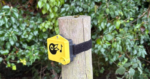
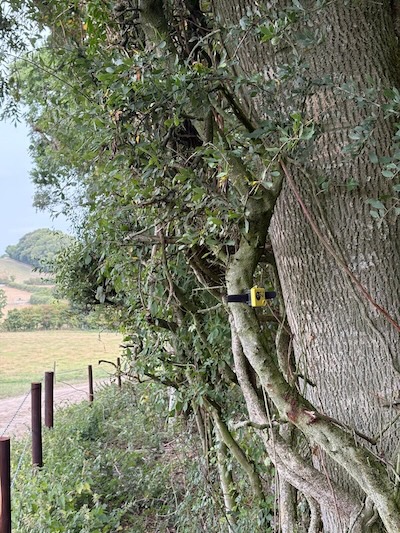
By deploying bioacoustic devices across its own farms and supply network, Wyke Farms will use AI to translate birdsong into measurable biodiversity data. This approach provides farmers with accurate insights into species richness, ecosystem health, and year-on-year environmental progress.
For agriculture, the benefits are clear: cost-effective biodiversity monitoring, alignment with environmental, social, and governance (ESG) goals, and credible reporting for sustainability strategies. But the implications extend well beyond farming.
Why This Matters Beyond Agriculture
At its core, this initiative demonstrates how digital technologies can transform traditional industries through:
- Cross-sector collaboration – Agriculture meets AI and data science, creating new value where industries converge.
- Scalable monitoring – What begins as biodiversity tracking on dairy farms could evolve into tools for urban planning, retail supply chains, or healthcare facilities measuring environmental impact.
- Actionable intelligence – The ability to turn natural signals (in this case, birdsong) into real-time, actionable insights shows how data-driven ecosystems can guide smarter decision-making across sectors.
This is precisely the kind of intelligent integration—between private enterprises, technology providers, and research—that TDL believes will define the next decade of digital disruption.
Data as a Driver of Trust and Value
Consumers and stakeholders increasingly demand transparency. In food and drink, that means proving sustainability credentials. In healthcare, it could mean tracking patient well-being with sensor data. In hospitality and education, it might mean measuring energy use, carbon footprints, or indoor environmental quality.
The Wyke–Chirrup collaboration is a blueprint: deploy low-cost, low-maintenance monitoring, generate clear metrics, and integrate them into sustainability narratives that build trust.
A Wider Vision
At TDL, we see this as part of a broader trend: industries leveraging emerging digital technologies to not only optimise operations but to deliver positive environmental and social outcomes.
Whether it’s AI in agriculture, IoT in healthcare, or immersive tech in education, the principle is the same: the convergence of digital tools and sector expertise creates smarter, more resilient, and more sustainable ecosystems.
Tags: Chirrup.ai, Wyke Farms
 Share On Facebook
 Tweet It